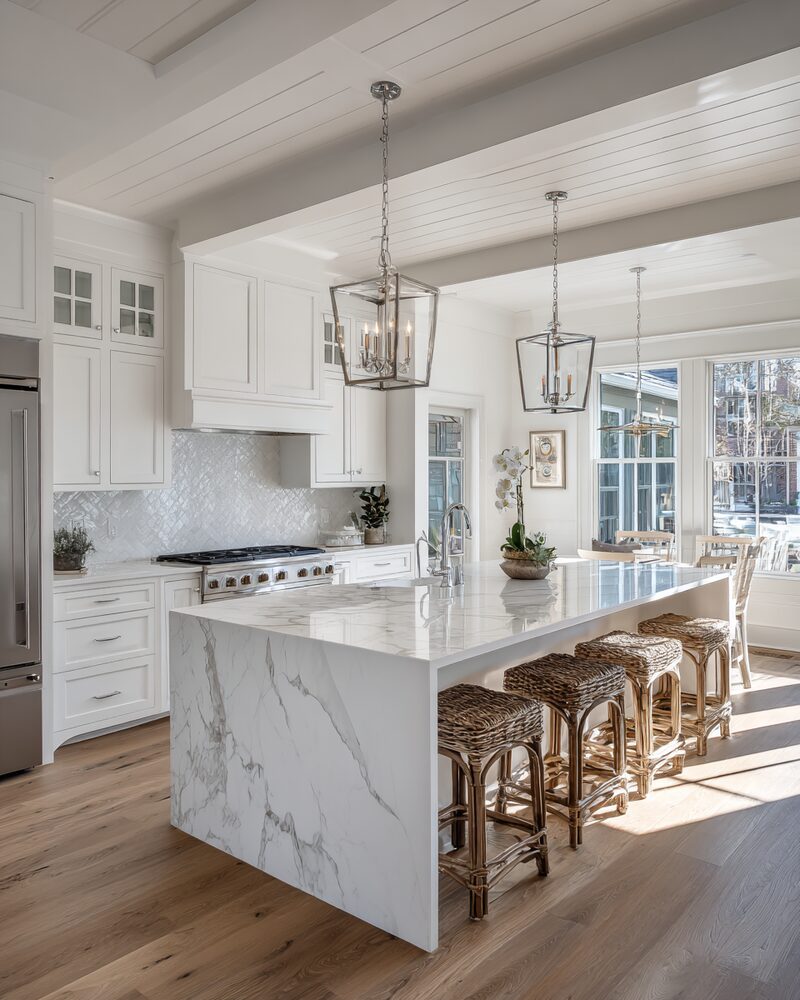
If you are buying or selling in Gwinnett County, the best long term decisions start with one simple question: how do you live your day to day life? When you match commute patterns, school schedules, weekend habits and home layout to the right neighborhood, you get a house that feels like a home and an investment that performs over time.
Think like a local planner first and a buyer or seller second. Gwinnett County covers diverse communities from Lawrenceville and Duluth to Suwanee, Buford and Sugar Hill. Each pocket has different tradeoffs for commute corridors, school clusters, price per square foot and community amenities. Focusing on daily routine helps narrow choices faster and reduces costly compromises later.
Map the commute that matters. For many Gwinnett residents the morning and evening drive defines neighborhood value. Identify the roads and directions you use most often whether that is I 85 north or south, I 985, GA 316 or local feeders. A 10 to 20 minute difference on a daily commute can shape both your quality of life and home pricing. When searching, filter listings by realistic drive times for your peak travel hours rather than mileage alone.
Match schools and schedules to your family rhythm. School zones and nearby childcare options are top priorities for families. Even if you do not have children now, houses in strong school zones often retain buyer interest and resale value. Look beyond ratings to after school programs, bus routes, and local sports or arts options that fit your family's weekly flow.
Plan weekend life and local conveniences. Your preferred weekend activities reveal neighborhood priorities: do you want close access to parks, trails, and Lake Lanier, or a short drive to shopping centers and restaurants? Gwinnett offers everything from walkable downtowns to larger lots in suburban enclaves. Choosing a location aligned with your weekend routines means less time in the car and more enjoyment of your home.
Prioritize home features that support your routine. Home offices, mud rooms, flexible bedrooms, storage and covered outdoor spaces are practical features that impact daily comfort. For sellers, emphasizing how a house supports modern routines makes the listing more relatable: show a staged home office, an organized entry for school drop off, or a backyard designed for low maintenance.
Be realistic about maintenance and lifestyle costs. Yard size, number of baths, and the age of major systems influence both monthly costs and future renovation timelines. If your weekdays are packed, a smaller yard or HOA-maintained common areas might be worth the tradeoff. If you crave privacy, accept the time and budget needed for a larger lot.
Watch the local signals that affect timing and pricing. Inventory levels, median days on market, and recent comparable sales in the exact neighborhood tell you how competitive a purchase or sale will be. Interest rates and local employment trends matter too, but the micro market—block by block—often determines final sale price. Ask for a recent sales analysis for the specific subdivision and street you care about.
Create a quick routine-first checklist before you tour homes:
1. Morning commute test: drive it during rush hour.
2. Evening routine test: visit after 5 pm to see traffic and light.
3. School and childcare proximity: measure actual travel times.
4. Weekend test: spend a Saturday in the area.
5. Feature fit: make sure
