Buying or selling a home in Gwinnett County today requires more than instinct and curb appeal; it requires local data, actionable priorities, and a plan that adapts as the market shifts. Whether you are a first time buyer, an investor, or a long time homeowner thinking of selling, this guide outlines the specific steps you can take now to improve outcomes and protect value for years to come.
Start with granular neighborhood insight not general market headlines. Median prices and county wide trends matter, but micro markets in Lawrenceville, Suwanee, Duluth, Snellville, and Sugar Hill move at different speeds. Look at recent comparable sales within a one mile radius, school zone demand, proximity to major employers and transit corridors, and any upcoming infrastructure or rezoning announcements. These factors show where buyer demand is concentrated and where value is likely to be resilient.
Price with precision. For sellers, an accurate comparative market analysis tuned to your street and floor plan produces faster sales and higher net proceeds. Overpricing extends days on market and erodes buyer confidence. For buyers, understanding realistic offer ranges based on recent closed sales prevents overbidding and positions you to submit competitive, credible offers.
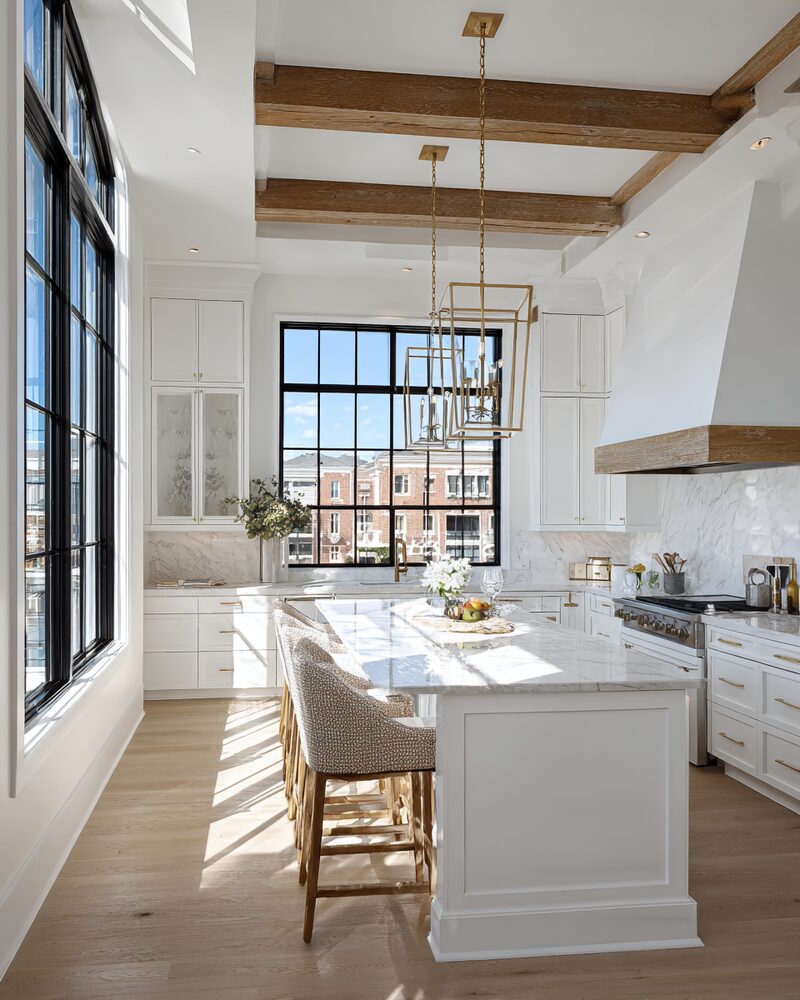
Invest strategically in improvements that local buyers notice. In Gwinnett County, buyers consistently reward updated kitchens and baths, durable flooring, energy efficient windows, and fresh paint in neutral tones. Small investments that reduce visible maintenance issues and highlight usable living spaces often deliver the strongest return on investment. Prioritize projects that shorten market time and boost perceived value rather than trendy upgrades that may not appeal broadly.
Timing matters but so does preparation. Monitor inventory levels, interest rate trends, and seasonal activity in your target neighborhood. High inventory can give buyers leverage; low inventory often favors sellers but requires readiness. Buyers should get preapproved and have inspection contingencies crafted to match local expectations. Sellers should complete major repairs, stage key rooms, and prepare high quality listing photos and virtual tours to stand out.
Leverage professional local expertise for appraisal and negotiation advantages. Appraisers and lenders use comparable sales and adjustments that are specific to Gwinnett County neighborhoods. Working with a team familiar with local pricing dynamics, HOA practices, and county permit history can prevent surprises at appraisal and streamline closing.
Understand the long term drivers of value in Gwinnett County. School performance, walkability to retail and restaurants, commute times to job centers like Atlanta and Peachtree Corners, and future development plans are durable value drivers. When choosing a home, weigh short term needs against how those features will affect resale demand five to ten years out.
For investors or buyers interested in rental returns, run the numbers on tenant demand, typical lease rates, and local regulations. Look at historical vacancy rates in the submarket and factor in management costs, property taxes, and possible capital improvement needs. A conservative cash flow model makes investment decisions less risky when interest rates or market rents shift.
If you are preparing to sell, create a simple 30 day plan: declutter, complete small repairs, replace dated lighting, deep clean, stage high impact rooms, and launch listings with professional photos during peak search days. For buyers, craft a one page neighborhood checklist: schools, commute, walkability, HOA rules, resale comps, and future development. Use these checklists to compare options objectively and avoid emotional shortcuts.
Markets change but the right local strategy stays relevant. For tailored neighborhood insights, up to date comps, or a buyer or seller plan built around your timeline, call The Rains Team at 404-620-4571 or visit
www.homesingwinnettcounty.com to get started with local guidance that matches Gwinnett County realities.
