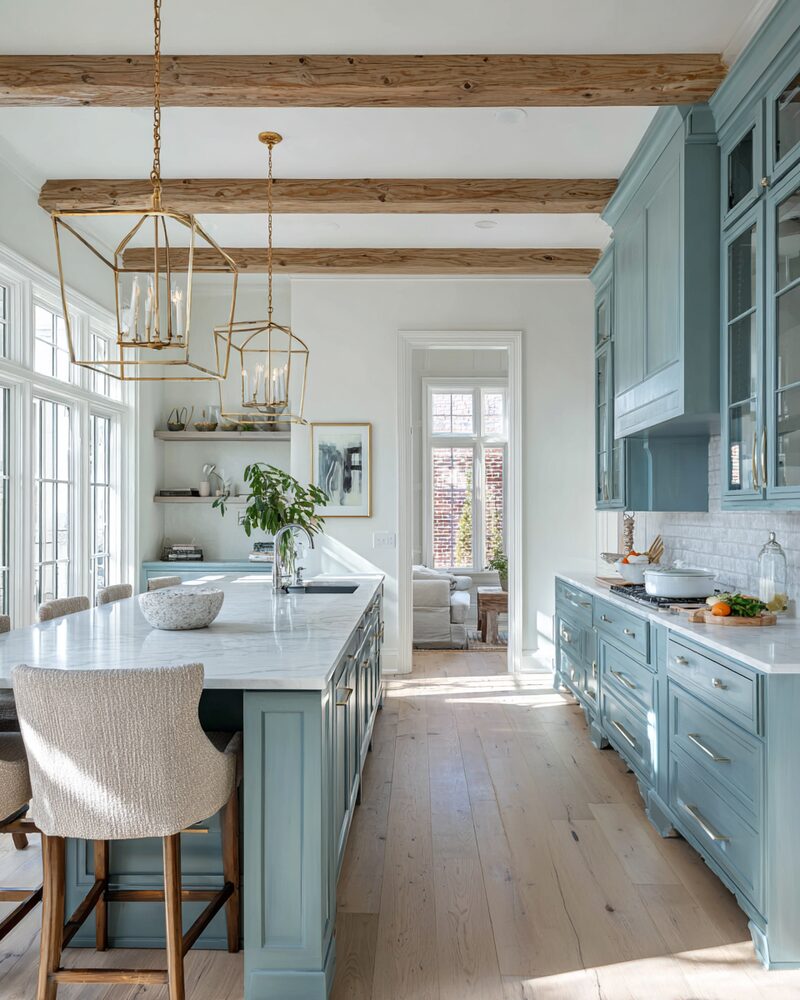
Today more than ever a home's floor plan can make or break a sale in Gwinnett County. Buyers are hunting for layouts that match modern life while sellers who highlight functional spaces get faster offers and better prices. This post explains why floor plans matter in our local market, how to evaluate them whether you are buying or selling, and practical steps to turn layout strengths into real market advantage.
Why floor plan matters in Gwinnett County right now
Homes in Gwinnett County range from older ranch and traditional styles to newer open concept builds. As lifestyles shift toward remote work, multigenerational living, and flexible use of space, floor plans that deliver usable, adaptable rooms attract more buyers. A clear, well-presented layout helps listings stand out in search results and reduces the number of objections buyers raise during showings and inspections.
What buyers in Gwinnett are prioritizing
- Open but functional living areas where kitchen and family rooms flow for everyday life and entertaining.
- A private primary suite ideally on the main level or with well-segregated upstairs space.
- Dedicated space for a home office or a versatile room that can serve as school space, workout area, or guest room.
- Outdoor living that connects to interior living areas, especially in towns with strong neighborhood life like Suwanee, Duluth, Lawrenceville, and Buford.
- Storage, mudrooms, and practical laundry locations to support busy households.
Knowing these trends helps buyers target listings that fit long term needs and helps sellers present their homes to the right audience.
How sellers can present a floor plan to win offers
- Add clear floor plan graphics to your online listing so buyers instantly see flow and room relationships. Visuals increase listing clicks and reduce uncertainty.
- Stage rooms to show function. A formally staged dining room might be less appealing than a staged home office in today's market.
- Emphasize flexible spaces in your description and photos phrases like main level office, bonus room for homeschooling, or in-law suite increase search relevance.
- Make small, targeted changes that improve perceived layout: remove oversized furniture blocking flow, add lighting to dark hallways, and define entry and transitional spaces.
- Share example furniture layouts or virtual furniture staging so buyers can envision living in the space rather than just seeing empty rooms.
These steps reduce buyer hesitation and can speed up offers while improving negotiation leverage.
How buyers should evaluate a floor plan before making an offer
- Walk the suggested furniture path. Can your largest couch and bed fit comfortably? Look for tight door swings, odd hallways, and awkward transitions that may add remodeling cost.
- Test privacy and noise flow. Where are bedrooms relative to living and entertainment spaces? Consider commute and school schedules when thinking about quiet areas.
- Consider long term adaptability. A single large bedroom could be split, or a dining room converted to an office. Assess whether structural changes would be practical and allowed in the neighborhood or by an association.
- Check natural light and orientation. A room with limited windows or poor orientation to the yard can feel smaller and require additional lighting investments.
- Factor in HVAC and utility locations. Moving kitchens or bathrooms is expensive; layouts that minimize major systems relocation will retain more value.
A simple checklist while touring homes helps buyers compare practical livability rather than just surface appeal.
Local considerations that change floor plan value in Gwinnett County
- Older homes in neighborhoods like Norcross and Lilburn often have room separations that appeal to buyers valuing distinct spaces. Recognizing ways to modernize those flows without losing charm is a smart
