Gwinnett County remains one of Atlanta's most dynamic housing markets, mixing established neighborhoods, new development corridors, and a growing employment base. Whether you plan to buy or sell, understanding how local trends translate into long term value will help you make smarter decisions today that pay off for years to come.
Start with the neighborhood story not just the street address. Buyers and sellers often focus on list prices and square footage, but long term value is driven by the neighborhood narrative: school performance and boundaries, proximity to major employment centers, access to retail and medical services, and the presence of active community investment or projects. Spend time mapping those local narratives in Lawrenceville, Suwanee, Duluth, Norcross, Sugar Hill and other Gwinnett communities to see which properties are best positioned to gain value over time.
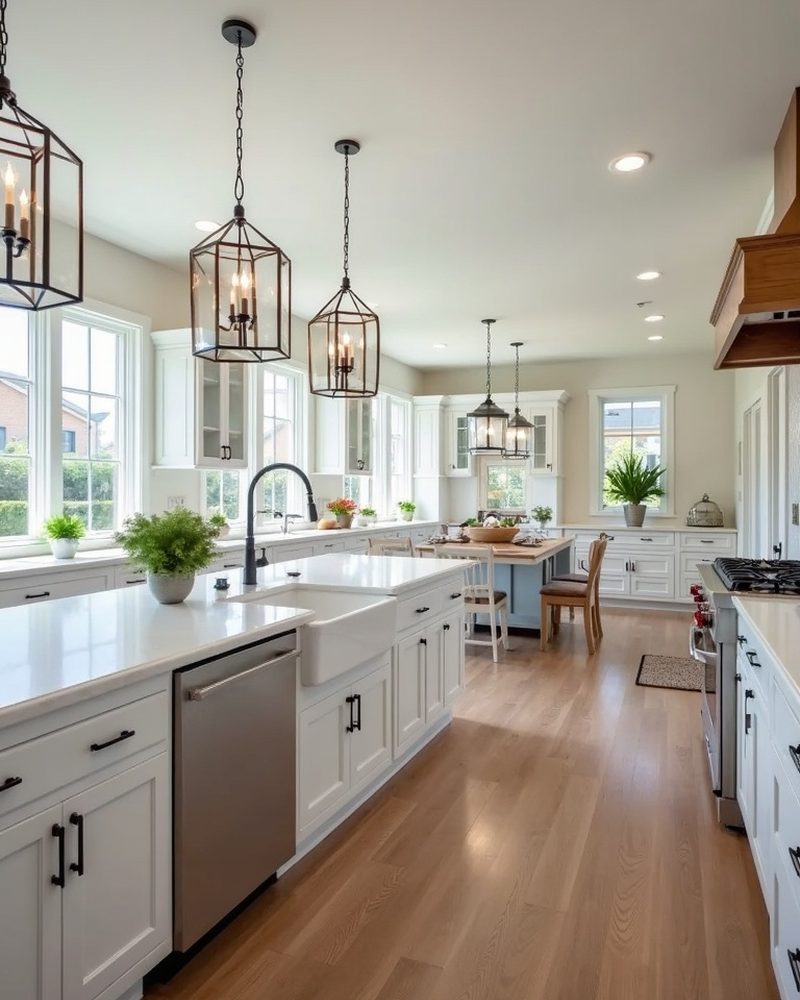
Know what buyers want now and what they will expect later. Open floor plans, outdoor living space, flexible home offices, and energy efficient updates are frequently at the top of wish lists. When sellers prioritize improvements, focus on projects with consistent ROI in Gwinnett County: kitchen refreshes that modernize layout and finishes, bathroom updates that remove dated fixtures, and landscaping that improves curb appeal without requiring heavy maintenance.
Price with precision. Comparative market analysis is a baseline, but top agents layer in micro factors: past sale velocity on the same block, the condition of competing listings, and any recent public improvements nearby. Overpricing delays sales and can cost sellers in net proceeds; underpricing can produce a fast sale but may leave equity on the table. Whether you are buying or selling, ask for recent neighborhood comps and a timeline-based pricing plan that accounts for seasonality and local buyer behavior.
Plan inspections like a buyer and a seller. Buyers should use inspections to assess long term maintenance costs and safety items. Sellers should run a pre-listing inspection to identify small repairs that remove negotiation leverage from buyers. In Gwinnett County, common local issues include older HVAC systems, roof age, and drainage problems on lots that slope toward the house. Addressing those proactively improves buyer confidence and often shortens time on market.
Leverage school and commute insight. School zones matter to many Gwinnett buyers, and even if you do not have school-aged children, the perceived strength of a zone affects resale value. Commute times and access to major roads also shape property demand. Create a shortlist of target neighborhoods where schools and commutes align with your lifestyle and investment horizon.
Understand financing and timing. Interest rates and lending standards influence buyer demand. For buyers, get preapproved and understand how fixed versus adjustable rate mortgage options affect your buying power. For sellers, be aware that higher rates can shrink the pool of buyers; smart pricing and flexible terms like offering a temporary rate buydown for a buyer can help your home stand out.
Spot value opportunities beyond cosmetic fixes. Look for homes with solid bones: good lot orientation, workable floor plans, and room to expand when needed. Subdivisions with well maintained common areas and active homeowner associations tend to preserve values. For investors, rental demand in Gwinnett continues to be strong in neighborhoods close to transit corridors and employment centers — but always run the numbers using conservative rent and vacancy assumptions.
Staging and marketing still move the needle. Professional photos, accurate floor plans, and virtual tours increase buyer engagement online — where most buyers start. Staging should emphasize usable living space and allow buyers to visualize how they would live in the home. Outdoor photos that show usable yard space sell particularly well in family-oriented Gwinnett neighborhoods.
Keep future trends in mind. Remote and hybrid work patterns, regional infrastructure investments, and shifts in retail or school planning can change buyer priorities over time. Properties that adapt — with dedicated workspaces, reliable broadband, and flexible living areas — hold appeal across market cycles.
A simple checklist to keep on hand:
- Verify recent comparable sales and time on market for your target neighborhood.
- Get a pre-listing inspection if selling; get a thorough inspection when buying.
- Prioritize improvements that yield consistent returns in Gwinnett: kitchen, bathrooms, HVAC, and curb appeal.
- Confirm school zone boundaries and commute times for peak hours.
- Use professional photography and clear online marketing to capture buyer attention.
If you want a practical neighborhood-by-neighborhood review or a customized plan for selling or buying in Gwinnett County, The Rains Team can help you evaluate opportunities and risks specific to your property and goals. Call 404-620-4571 to discuss next steps or visit
www.homesingwinnettcounty.com to start with local market data and neighborhood guides tailored to Gwinnett County buyers and sellers.
