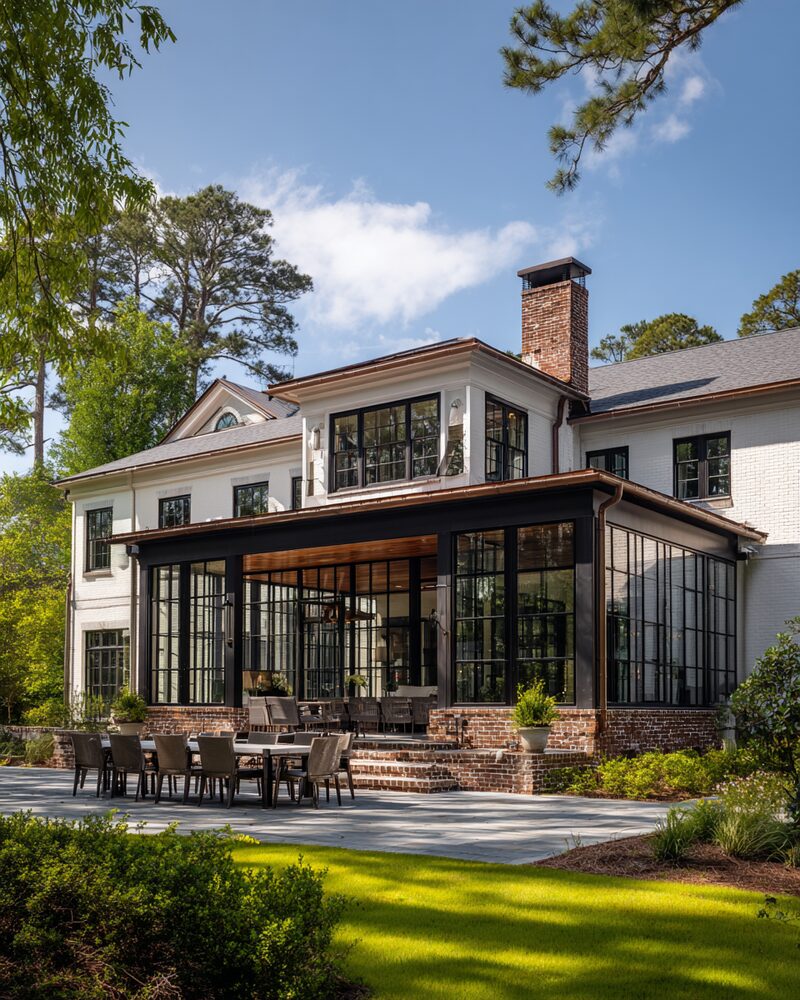
Buying or selling a home in Gwinnett County today means making choices that matter for months and years ahead. Interest rates, inventory levels, job and school patterns, and local development projects all influence price, timing, and strategy. Whether you plan to buy, sell, or both, understanding how current conditions translate into practical steps will help you protect value and create opportunity in neighborhoods from Lawrenceville to Suwanee and Duluth to Buford.
Start with the local story not the national headline. National headlines about rates and housing supply matter, but the moves that create wins happen at the neighborhood and block level. Look at recent sales in the exact subdivisions you care about, track how many homes are actively listed versus under contract, and note how long properties stay on market. Those three simple signals tell you whether to price aggressively as a seller or prepare to move fast as a buyer.
Be data forward but people focused. For sellers, a data-first pricing strategy paired with staging and clear buyer communication brings the best results. For buyers, pre-approval, realistic comparables, and a plan for inspections and repairs separate offers that close from offers that fall apart. Sellers should target the highest-impact updates: curb refresh, deep clean, neutral paint, and targeted kitchen or bath fixes where condition lags other nearby sales. Buyers should prioritize homes that need cosmetic updates over those with structural unknowns unless the price already reflects the work required.
Seven practical moves that work in today's Gwinnett County market
1) Check three months of comps rather than relying on year-over-year numbers. Short-term trends show momentum.
2) If selling, present a clear home facts sheet that lists updates, utility averages, HOA rules, and comparable recent sales. That reduces buyer friction and speeds up offers.
3) If buying, include a personalized cover letter and a sensible inspection timeline. Sellers often favor certainty; realistic inspection windows and proof of funds or pre-approval make offers cleaner.
4) Stage rooms that matter most to buyers in Gwinnett markets: primary suite, kitchen, and main living area. Virtual staging can be cost effective for vacant homes.
5) Factor commute and school boundaries into long-term value calculations. Proximity to major employers, I-85 access, and top-performing schools consistently supports resale.
6) Plan for a flexible close date. A seller who can offer a 30- to 60-day leaseback or a buyer who can accommodate a seller's timeline often gets better terms.
7) Work with someone who monitors both listings and off-market opportunities. Many good matches happen before homes hit broad exposure.
How financing and rates influence choices here
Mortgage rates affect affordability and demand but they do not freeze every decision. If rates are higher, buyers often make up ground by adjusting priorities: choosing a slightly smaller home, targeting a stronger neighborhood, or budgeting for upgrades over time. Sellers benefit when they price to local demand and show the value of the property in the current financing climate. Consider talking to a lender about rate buydowns, adjustable products with caps, and the long-term tax and investment implications of a purchase in Gwinnett County.
Neighborhood nuance matters more than ever
Gwinnett is diverse. Suwanee Town Center, for example, sees consistent buyer interest for walkable amenities, while some inner subdivisions in Lawrenceville or Norcross may compete more on lot size or school fit. A smart buyer or seller spends time learning the micro-market: what recent buyers paid, how inventory moves in that pocket, and which features are non negotiable locally. Local trends such as new retail, school boundary shifts, or planned road work can shift demand quickly; monitoring county planning notices and local MLS activity helps you act early.
Preparing for inspections and negotiation
Inspections are where deals live or die. Sellers who handle minor repairs proactively and provide maintenance records reduce back-and-forth and improve buyer confidence. Buyers should budget for immediate fixes and get estimates before finalizing terms so negotiation centers on realistic costs. Common Gwinnett issues include older HVAC, roof age, and lot drainage; knowing typical lifespans helps both sides evaluate
