Gwinnett County real estate is not one market but many small neighborhood markets that move at different speeds. Paying attention to the micro signals in your preferred community can help buyers make smarter offers and sellers time improvements that generate higher returns. This guide explains the practical signs to watch today and how to turn them into long lasting strategies whether you plan to buy, sell, or invest in Gwinnett County.
A quick snapshot for context: mortgage rates, local inventory, and job and school fundamentals remain the core drivers of demand. While headlines talk about broad regional trends, your street or subdivision often tells a different story. Understanding those local pulse points will keep your decisions relevant for months and years to come.
What to watch at the neighborhood level
Inventory shifts and price brackets — Track how many active listings exist within the price band that matters to you. A neighborhood that drops from 20 listings to 8 in your price range in a month signals tightening competition even if countywide inventory looks steady.
Days on market and price adjustments — A cluster of price reductions in a subdivision usually appears before headline price declines. Conversely, homes that go under contract within days with multiple offers indicate a hot micro-market.
Recent sale to list price ratios — Compare the final sale price to the original list price in the last 30 to 90 days. Ratios consistently above list price mean buyers may need stronger offers or escalation strategies. Ratios below list price point to opportunity for buyers and a need for sellers to be realistic on pricing.
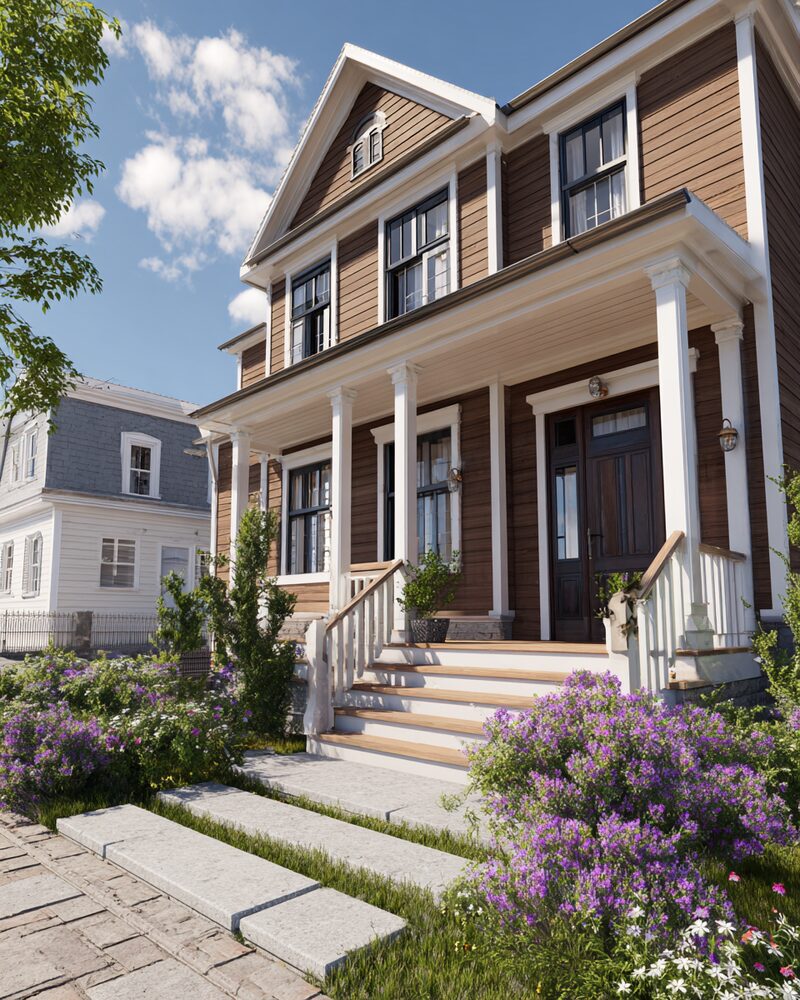
Renovation and curb appeal trends — When neighboring homes invest in kitchen upgrades, landscaping, or new roofs, comparable values shift. Sellers can often recoup many of these costs in attractive neighborhoods; buyers should budget to match local standards.
School and commute patterns — Changes in school ratings, new school assignments, or evolving commute times due to road projects impact demand quickly. Gwinnett neighborhoods closer to major employers or transit connections tend to hold value better.
HOA activity and new construction — Increased HOA projects or a new build phase in a nearby subdivision can change comps and buyer expectations. Check upcoming development plans at the county planning office for possible impacts.
Practical steps for buyers in today's Gwinnett County market
Get hyperlocal listings alerts — Set up search alerts narrowed by subdivision and price range so you see new listings and price changes immediately.
Preapproval and flexible terms — Sellers value certainty. A clean preapproval, adaptable closing timeline, and reasonable inspection windows can make your offer more competitive without overpaying.
Lean on recent comps and not old averages — Use only the most recent sales in your exact neighborhood to determine fair value. Countywide medians rarely reflect conditions on a specific street.
Budget for near-term improvements — Factor in likely updates you will need to meet neighborhood standards, such as HVAC, kitchen surfaces, or landscaping, when calculating your offer.
Practical steps for sellers to maximize return
Price to the neighborhood story — An asking price aligned with recent neighborhood sales and current inventory attracts qualified buyers quickly and reduces costly days on market.
Stage and photograph to match buyer expectations — Presentation matters more in markets with active buyers. Invest in staging or professional photos to highlight usable square footage and outdoor living.
Strategic prelisting inspections — Identifying small repair items before listing reduces last minute renegotiations and increases buyer confidence.
Consider timing of small upgrades — Not every upgrade pays. Focus on high-impact, low-cost improvements that mirror what comparable homes in your subdivision already show.
Long term considerations for investors and homeowners
Property taxes and insurance — Monitor local assessments and insurance costs, especially in areas near flood zones or new commercial development. These affect long term carrying costs and resale pricing.
Diversify across micro-markets — Within Gwinnett County you can balance stronger appreciation neighborhoods with rental-friendly areas to manage risk and cash flow.
Tenant demand and schools — For long term rentals, proximity to schools, transit and employment nodes will consistently influence occupancy and rent growth.
How to get neighborhood-level guidance that matters
If you want accurate, up to the minute insight tailored to a specific Gwinnett County neighborhood, reach out to The Rains Team. We provide neighborhood sales reports, seller net projections, and buyer offer strategies that reflect local days on market, recent sale to list price ratios, and expected repair costs. Call 404-620-4571 or visit
homesingwinnettcounty.com to see current listings and neighborhood data for Lawrenceville, Duluth, Suwanee, Peachtree Corners, Norcross, Sugar Hill and other Gwinnett communities.
Small, consistent local signals often matter more than broad headlines. Focus on what is happening on your street, and build offers and listing plans that reflect real neighborhood dynamics. The right local data and an experienced team make the difference between a good decision and a great one.
