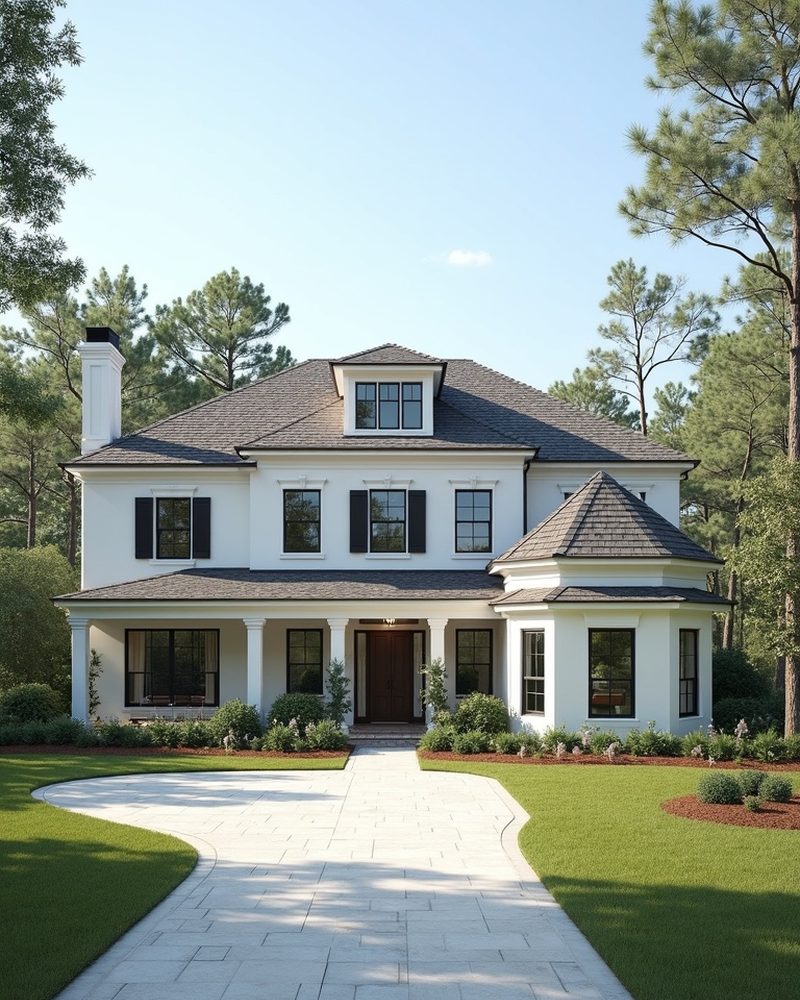
Selling or buying a home in Gwinnett County often comes down to a single practical question What should you fix and what should you reflect in the price How you answer that affects time on market net proceeds and long term satisfaction for both buyers and sellers.
Start with local data not general advice Gwinnett County real estate is driven by micro markets schools commute corridors and community amenities A modest kitchen update may move the needle in one neighborhood while curb and drainage fixes can be critical on another. Before spending money get a clear snapshot of comparable sales days on market and buyer expectations where you live.
A simple decision framework to use now and later 1. Know the comps Pull three to five recent sold homes within a mile and compare condition square footage and lot size If those homes sold above list price with minimal repairs your renovation choices should be strategic 2. Estimate cost versus likely value For each repair get a contractor estimate and compare to the probable increase in sale price If a $5 000 fix is likely to add $12 000 in perceived value it usually makes sense 3. Prioritize buyer-visible items Kitchens bathrooms and roof/major systems rank highest 4. Consider time and carrying costs A long renovation can increase mortgage taxes and insurance payments while the project is underway 5. Contingency for inspection problems Preemptive repairs often avoid price reductions after inspection or lowball offers
What buyers in Gwinnett County notice first and why Kitchens and bathrooms remain top drivers because they are costly and visible Flooring and paint create an immediate impression and are relatively affordable to fix Curb appeal matters with older neighborhoods where landscaping and exterior paint signal pride of ownership Schools and commute times tied to I 85 I 985 and SR 316 affect buyer pools so think about improvements that appeal to families and professionals who value proximity to good schools and shorter drives.
High ROI improvements to consider in Gwinnett County 1. Fresh neutral paint inside and out 2. Minor kitchen refreshes new cabinet hardware and modern lighting rather than full gut remodels for many price ranges 3. Clean and level landscaping plus a well maintained lawn 4. Repair roof leaks gutters and visible foundation cracks 5. Modernize bathrooms with vanity lighting and re caulked tubs 6. Deep cleaning and professional staging for show ready presentation These moves are often cheaper than major renovations and deliver outsized impact on offers.
When selling as is versus making repairs Price honestly if you choose to sell as is and the home requires visible fixes you should position the price to reflect that reality and be prepared for inspection based negotiations Alternatively a targeted repair plan combined with a strong marketing description can attract more buyers and stronger offers If cash buyers are plentiful in your neighborhood selling as is may still work but expect a discount.
Creative pricing and negotiation tactics For sellers offer a pre inspection and a list of completed repairs to minimize buyer uncertainty If a larger repair is needed consider offering a repair credit at closing rather than delaying the sale Buyers often prefer a credit to handle upgrades on their schedule For buyers write offers with a clear inspection deadline and itemize the expected repairs and costs so seller concessions are straightforward.
How buyers factor repairs into offer strategy Always get a professional inspection and build a realistic cost estimate into your maximum offer Price in the cost to bring the home to your standards and leave room for negotiation If you plan to renovate after purchase ask sellers for appliance or fixture credits and check local permit histories to avoid surprises.
Neighborhood nuance matters in Gwinnett County Where you are in Lilburn Norcross Suwanee Lawrenceville Duluth or Snellville matters because local demand and typical buyer expectations differ A modern farmhouse update may appeal in one area while a turnkey ranch is what most buyers want in another Use neighborhood comps to set priorities and consult local contractors about turnaround time and permit requirements.
A short checklist to run before you decide 1 Get three contractor bids for any project over $2 000 2 Pull comparable sales and current active listings within a mile 3 Get a pre inspection to uncover hidden issues 4 Calculate carrying costs and timing for renovations versus a price reduction 5 Decide on staging and photography to
