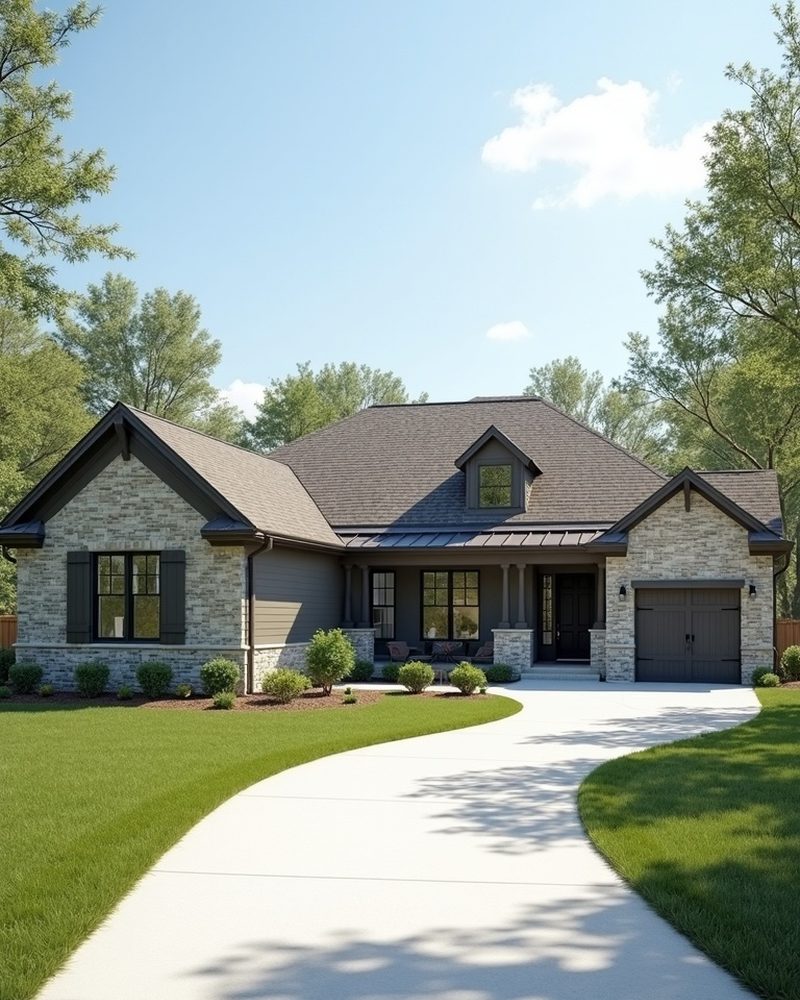
Real estate in Gwinnett County moves on more than county-level headlines. The details that change offers, sale speed, and long term value happen at the street level: the direction a house faces, where school buses stop, the condition of neighboring yards, recent permit activity three doors down, and the small upgrades buyers reward in showings. Learning those street level signals will help you buy or sell with confidence in Lawrenceville, Suwanee, Buford, Dacula and every neighborhood across Gwinnett County GA.
What street level intelligence looks like in practice starts with observation. Walk the block at different times of day to see traffic patterns, noise, and parking. Check how many homes have recent exterior updates and whether a nearby lot sits empty or is under construction. These visual cues affect perceived desirability and inform realistic pricing and offer strategy. Buyers who do this save time and avoid surprises. Sellers who document neighborhood strengths use those details to tell a more persuasive listing story.
Permit activity and small local projects often foreshadow change before tax maps and headlines do. You can search county permit records or watch for visible signs like new foundations, graded lots, or utility installations. A few new multifamily units or a commercial renovation on a nearby corner can change traffic and future buyer demand. For sellers, knowledge of nearby public projects helps set timing and staging: if a new park or school has opened nearby, highlight it. If road work is pending, plan open houses around the least disruptive windows.
School zone shifts and routing adjustments are another street level factor buyers and sellers must consider. Gwinnett County school assignments and bus routes can affect buyer interest, especially for families. Confirm current zones early in the process rather than relying on remembered boundaries. Sellers can use accurate school data in marketing materials to reach the right buyer groups.
Micro upgrades deliver outsized returns in local markets. Simple updates that matter on show day include fresh exterior paint where visible from the street, replaced house numbers and mailbox, clean and level walkways, and well defined landscaping beds. Inside, buyers in Gwinnett still respond to updated kitchens and bathrooms, new flooring or refreshed countertops, and a decluttered layout that emphasizes flow. These items are often more cost effective than extensive renovations but influence offers and appraisal outcomes.
Pricing at the street level requires more than pulling comps from the entire city. Recent sales on the same block or in the closest micro-neighborhood are the most reliable comparables. Pay attention to conditions that change value by a few percentage points: finished basements, proximity to ponds or creeks, garage conversion history, and access to green space. For buyers, small differences in lot grade or a driveway slope can mean significant cost over time. For sellers, explaining why your street is sought after—walkability to a favorite coffee shop, lower HOA fees, or a tight-knit block association—translates into buyer confidence.
Inspection and negotiation often hinge on street level realities. If a house sits near an older drainage ditch, a buyer may ask for a drainage inspection. If neighboring properties show deferred maintenance, that can influence a lender appraisal or a buyer's contingency requests. Sellers who pre-inspect common items and disclose known issues up front shorten contingency periods and strengthen offers.
Timing your move matters differently across Gwinnett County neighborhoods. Some pockets see concentrated buying seasons tied to school calendars or new development completions. Others remain steady year round because of commuter access to Atlanta or local employment centers. Watch local inventory trends and days on market for your exact zip code to decide whether to list now or wait for a local uptick.
Technology and local knowledge together create the best outcomes. Use online tools to pull recent sales, permit history, and tax records, but pair that data with boots-on-the-ground verification. Take photos, note which houses have had recent upgrades, and compare what you find to listing photos and disclosures. Combining both perspectives helps buyers avoid overpaying and helps sellers present a credible, well-documented listing that attracts serious offers.
If you are ready to buy or sell in Gwinnett County and want help applying street level home intelligence to your specific situation, The Rains Team
