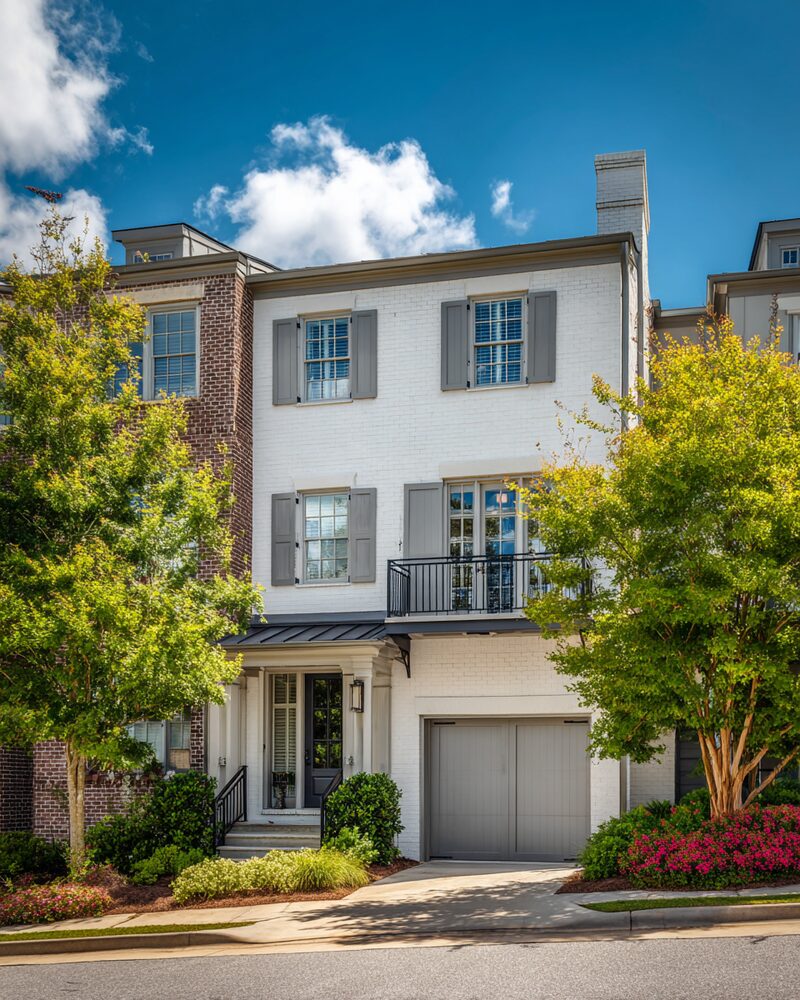
The Gwinnett County real estate market rewards people who combine local knowledge with clear priorities. Whether you want to buy your first home, upgrade, downsize, or sell for top dollar, knowing how to time decisions and where to focus your energy will make a measurable difference in results. This guide lays out practical, search-friendly steps for buyers and sellers in Gwinnett County that will stay useful across changing conditions.
Start with a clear goal and timeline. Buyers should define must-haves versus nice-to-haves, budget range, and preferred neighborhoods such as Suwanee, Duluth, Lawrenceville, Norcross, Snellville, Dacula, or Buford. Sellers should decide their minimum acceptable net proceeds and ideal closing window. Clear objectives help shape pricing, marketing, and negotiation strategies that fit Gwinnett County's local characteristics like school zones, commute routes to Atlanta, and neighborhood amenities.
Understand local supply and demand before you act. Look at active listings, new inventory, and days on market in the specific community you care about instead of only countywide averages. Low months of supply and rapidly falling days on market signal stronger seller leverage; rising inventory and longer marketing times give buyers more negotiating power. For fast, neighborhood-level snapshots, contact local experts who track Gwinnett listings daily.
Price with precision. Sellers who price too high attract fewer buyers and often sell for less after multiple price drops. A competitive initial price aligned with recent sold data, adjusted for upgrades or deferred maintenance, drives more showings and stronger offers. Buyers should compare comparable sales from the last 90 days, factor in current interest rate impact on monthly payments, and be ready with proof of funds or a preapproval to make a credible offer.
Stage and present for Gwinnett buyers. Simple staging improvements like decluttering, repainting main living spaces in neutral colors, and boosting curb appeal with low-maintenance landscaping consistently improve perceived value. For homes targeting families, highlight nearby schools, parks, and commute times. High-quality photos and floor plans are essential since most searchers begin online; homes that look great on a phone get more visits and better offers.
Make inspection and repair decisions strategically. Sellers should address safety issues, roof or HVAC problems, and obvious deferred maintenance before listing. For cosmetic issues, consider leaving budget room
