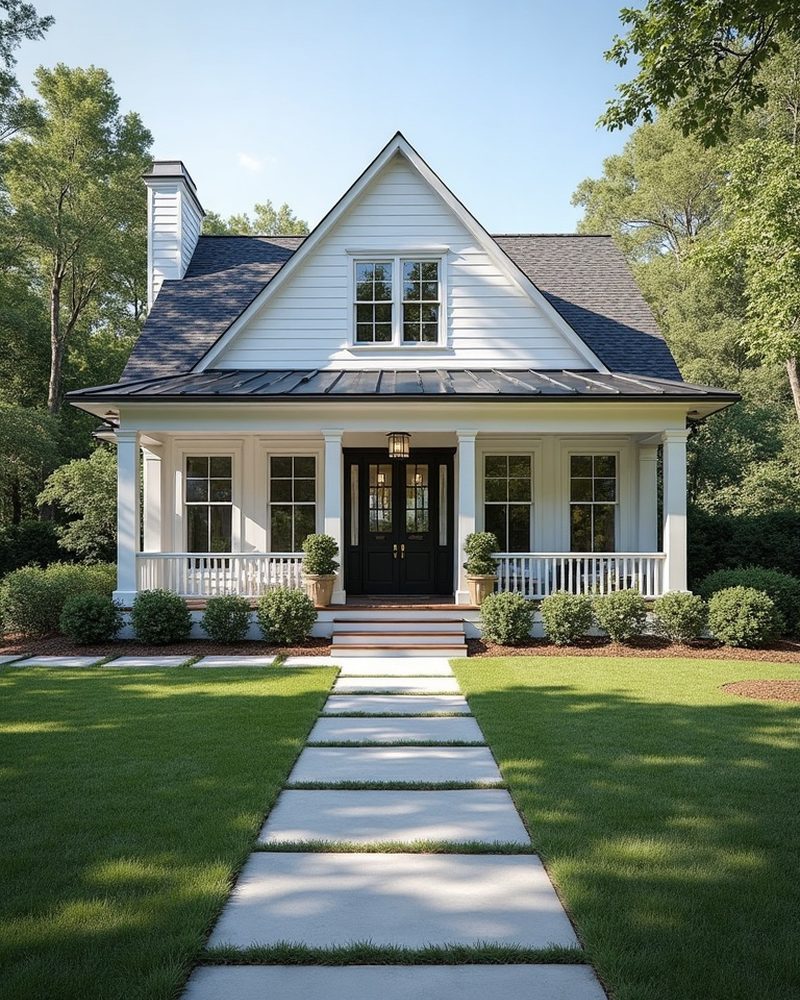
The broad Gwinnett County market headline tells only part of the story. Today buyers and sellers who win are those who focus on block-by-block and street-by-street differences that shape demand, price momentum, and time on market. Understanding micro neighborhoods in Gwinnett County — the small, often-overlooked geographic pockets inside cities like Lawrenceville, Suwanee, Buford, Sugar Hill and Dacula — gives you a lasting advantage whether you plan to buy or sell.
What is a micro neighborhood and why it matters
A micro neighborhood can be as small as a single cul-de-sac or a few blocks with a shared character: mature trees, a row of ranch homes, a pocket of renovated split-levels, a street that feeds into a top school, or a cluster of walkable amenities. These differences directly influence: perceived value by buyers, local comparables for pricing, repair expectations, and who will actually submit offers. In a county as diverse and fast-evolving as Gwinnett, macro statistics like countywide median price and inventory can hide these sharp local contrasts.
Five local signals that identify high-opportunity micro neighborhoods
1. Permit activity and small developments — a string of home improvements or accessory builds signals demand and reinvestment.
2. School transfer and zone stability — streets regularly sought by parents tend to command premiums.
3. Commute and micro-amenity map — proximity to a specific commuter route, MARTA corridor plans, or a popular coffee shop can shift buyer preference quickly.
4. Turnover patterns — low-traffic blocks with long owner tenure can indicate strong neighborhood identity and stability.
5. Block-level pricing trends — watch recent solds on the same street rather than the wider subdivision average.
How buyers use micro neighborhood insight
Buyers who focus at the micro level avoid overpaying and find hidden value. Instead of just filtering for four beds and a brick exterior, smart buyers:
- Look at the last 6 to 12 sales on the block, not just the subdivision.
- Factor in short-term quality issues like drainage, sidewalk gaps, or noise corridors that don’t show on listing photos.
- Prioritize proximity to the specific schools, parks, or commute nodes that fit their daily life.
This approach helps first-time buyers and move-up buyers alike find homes that hold value and fit lifestyle needs.
How sellers convert micro neighborhood advantages into stronger offers
Sellers can use micro-level strengths in pricing and marketing. Highlight specifics buyers value: 'block with low turnover', 'street-level access to trails', 'updated roof in the last five years', or 'recently repainted homes increasing curb cohesion'. Small staging and targeted improvements that buyers notice at the block level — fresh landscaping, new light fixtures, clear driveway edges — can move a listing from average to competitive. Price relative to comparable streets rather than the general area to attract the right buyer pool quickly.
Practical steps both sides can take this month
- Pull the last 10 sales within one half mile and compare square foot price and days on market.
- Visit the street at different times of day to check traffic, yard maintenance, and neighbor patterns.
- Check recent permit records on the county site for concentrated activity on the block.
- Confirm exact school assignments and any planned boundary reviews that could change desirability.
These actions are evergreen — they’ll help you today and remain useful as the market evolves.
Why micro focus keeps working as markets shift
Interest rate swings and macro headlines will come and go, but buyer preferences about where they want to live remain granular. As new communities are built and older neighborhoods refresh, micro shifts often present the earliest and clearest signals of rising or falling demand. Understanding those signs allows buyers to buy smarter and sellers to price and present more effectively.
If you want help reading these local signals in Gwinnett County or need neighborhood-level comps and walkthrough strategies, The Rains Team is available to assist. Call 404-620-4571 or visit
www.homesingwinnettcounty.com to see neighborhood reports, recent sales, and tailored suggestions for your buying or selling timeline.
